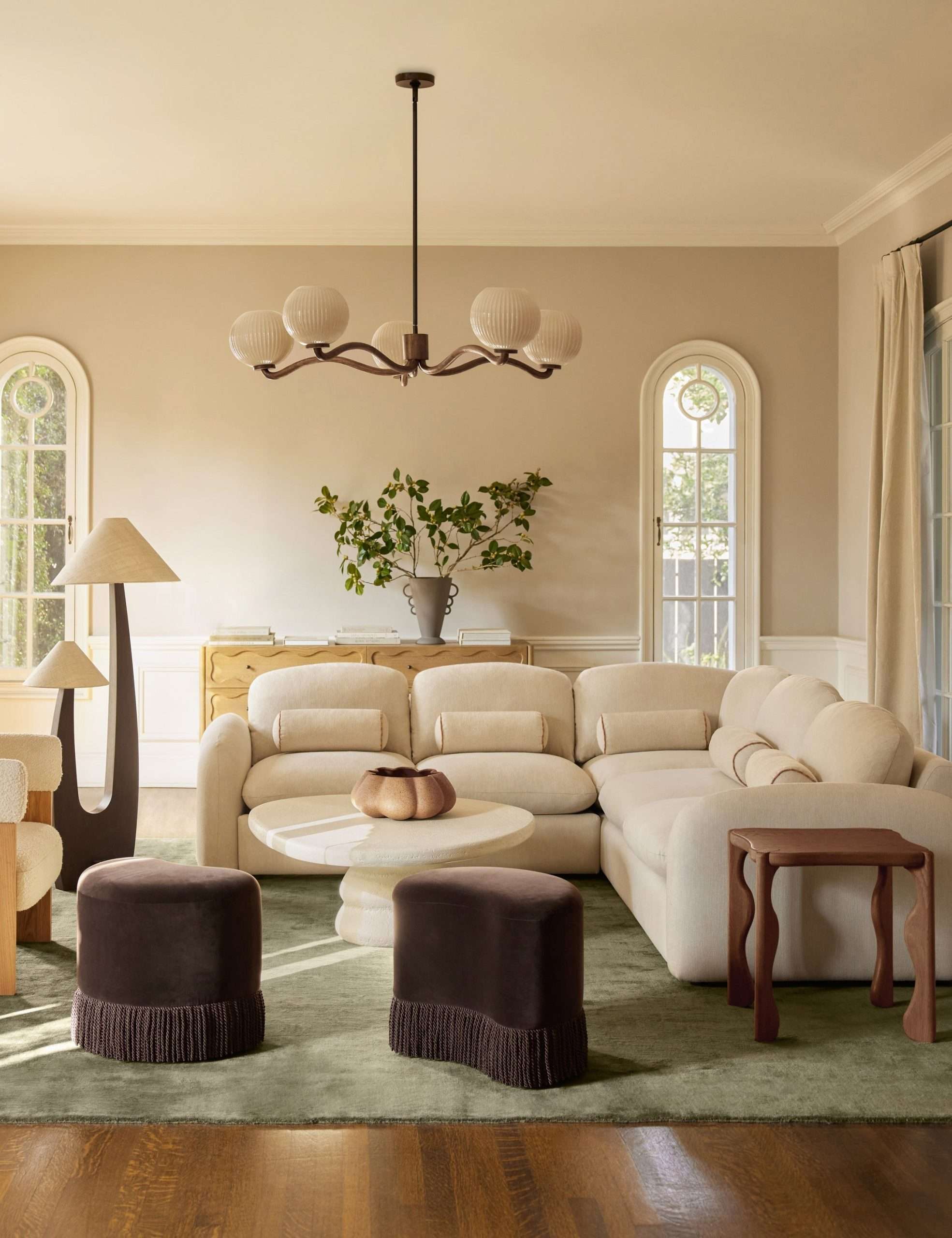
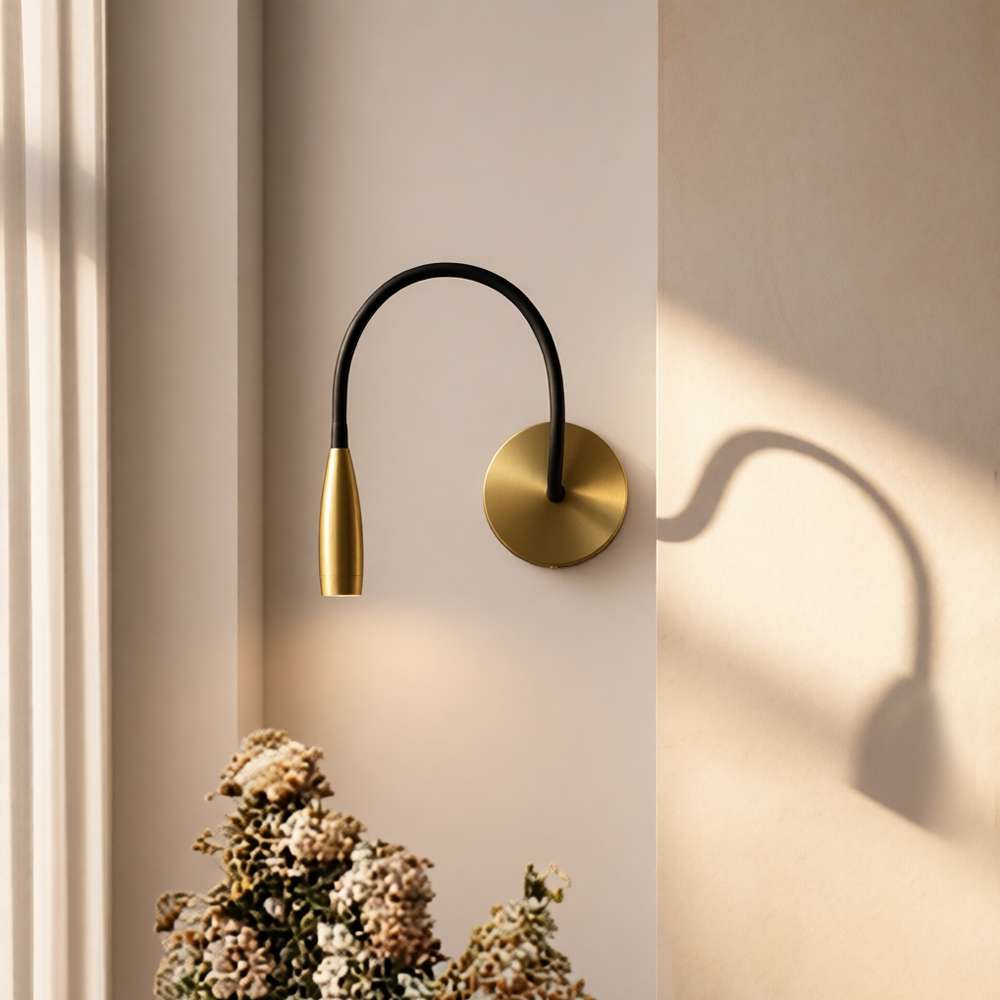
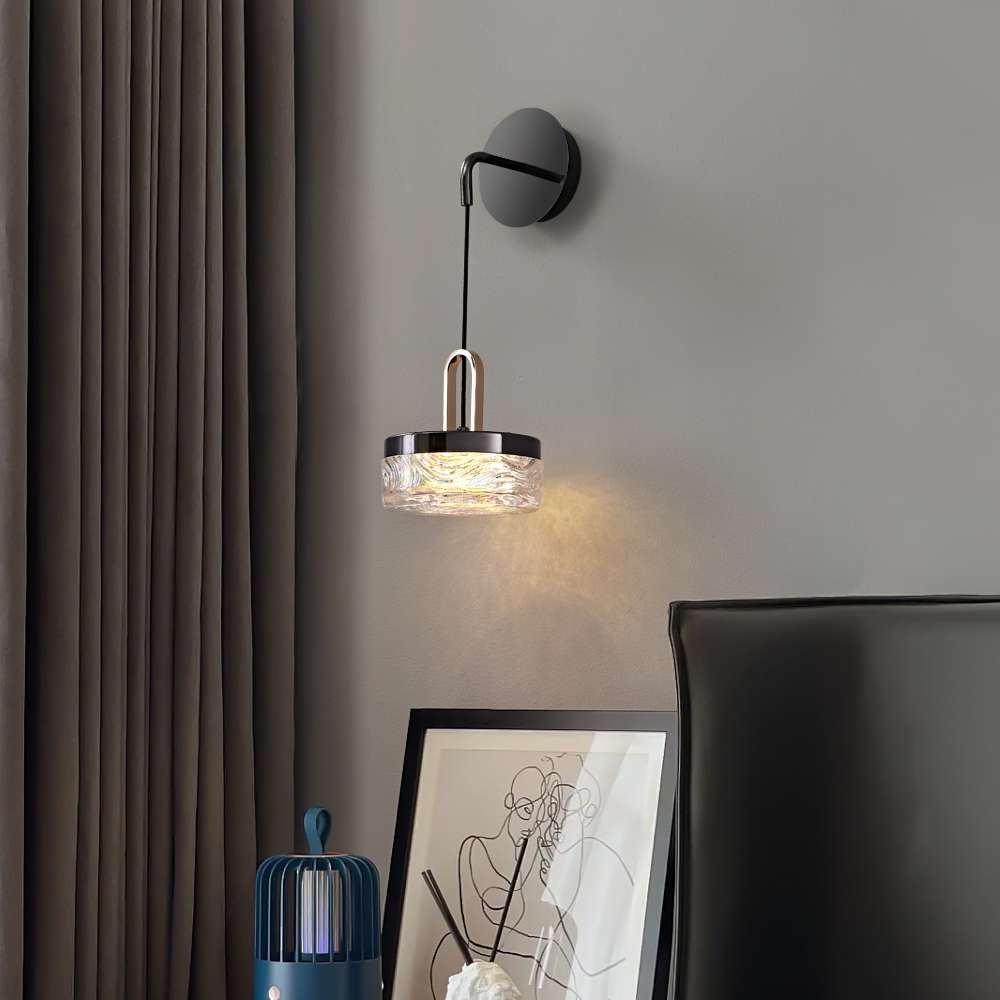
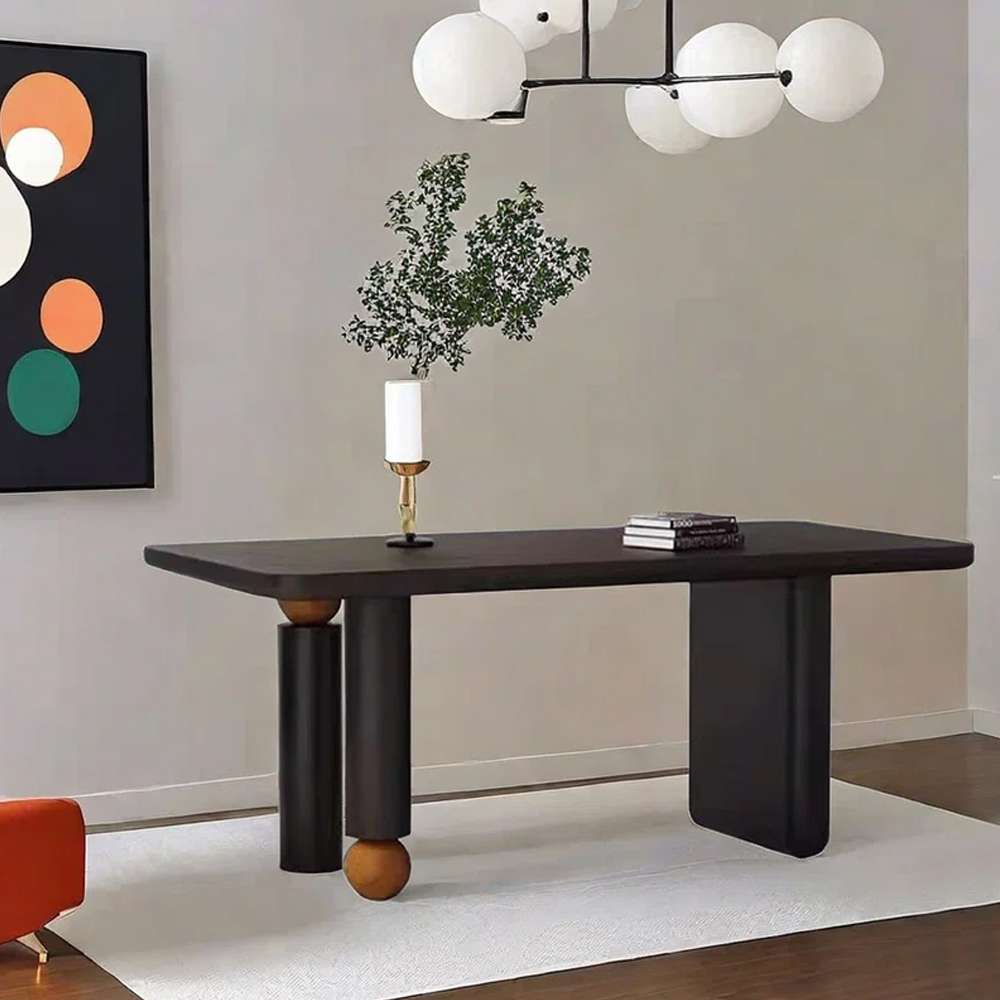
Bring Us Your Idea, Get Personalized Lighting.

What Size Chandelier for a Dining Room? A Complete Sizing & Style Guide
The dining room chandelier is the one fixture guests notice first—and the one homeowners most often get wrong. The single most common mistake is hanging a chandelier that’s too small, which leaves even a beautifully set table feeling unfinished. The good news: getting the size right comes down to a simple formula and a few proportions you can measure in minutes.
This guide walks you through exactly how to size a dining room chandelier, how high to hang it, how to match it to your table shape, and how to choose a style that elevates the whole room.
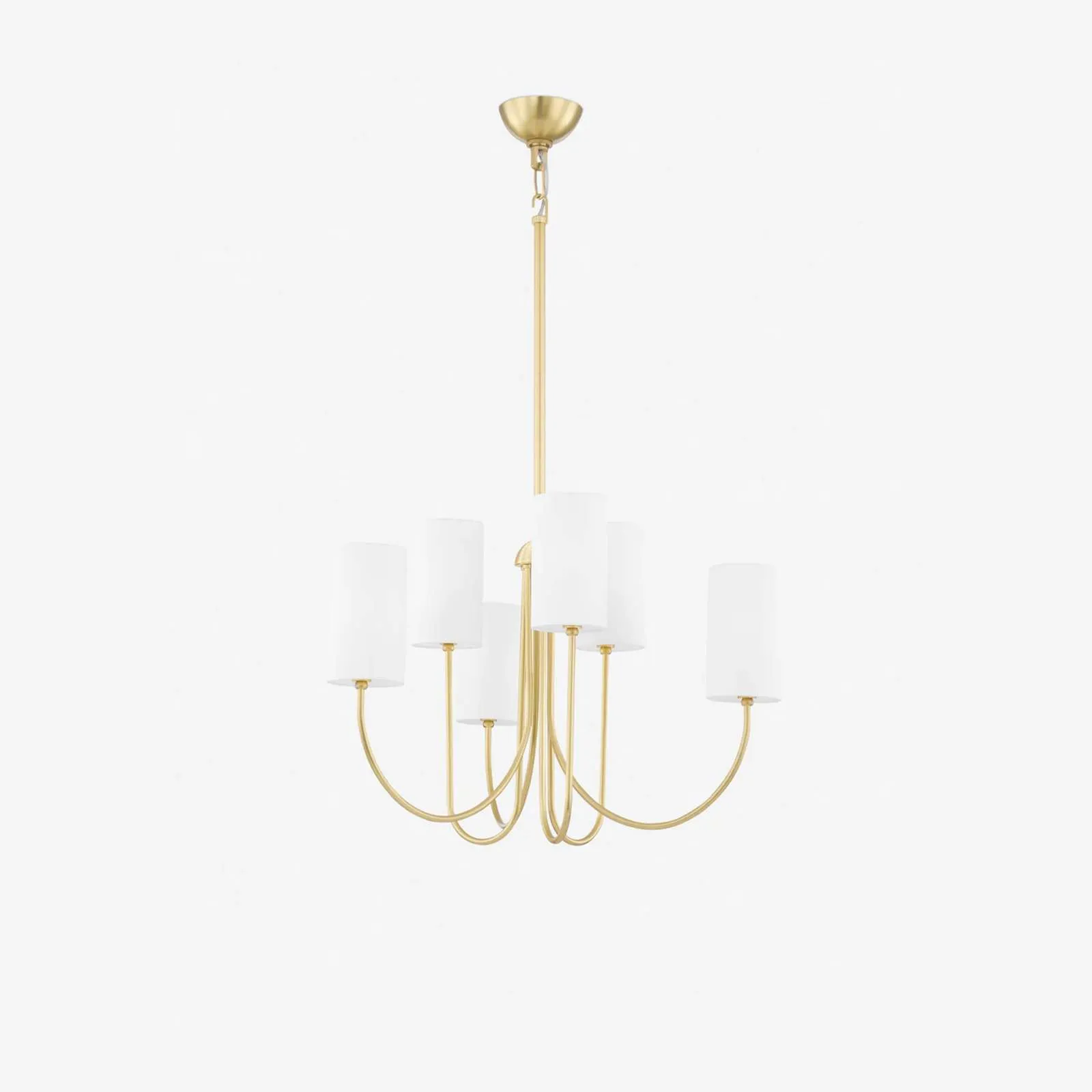
The quick chandelier sizing formula
Designers use one reliable starting point for the right chandelier diameter:
Room length (feet) + room width (feet) = ideal chandelier diameter (inches).
So a dining room that measures 12 ft by 14 ft calls for a chandelier roughly 26 inches in diameter (12 + 14 = 26). This formula scales the fixture to the room, which is what keeps it from looking lost on a high wall or oversized in a compact space.
There’s a second proportion to check it against—this one scales to the table:
Chandelier width should be about one-half to two-thirds the width of the dining table.
For a 42-inch-wide table, that’s a fixture in the 21–28 inch range. When the room formula and the table formula land close together, you’ve found your size. If they disagree, split the difference and lean slightly larger—an inch too big reads as intentional; too small reads as an afterthought.
How high should a dining room chandelier hang?
Hang the bottom of the chandelier 30 to 36 inches above the tabletop for a standard 8-foot ceiling. That height clears sightlines across the table while keeping the light low enough to feel intimate.
For taller ceilings, add about 3 inches of height for every foot above 8 feet. A 10-foot ceiling, for example, allows the fixture to sit roughly 36–42 inches above the table. Taller rooms can also carry a taller, more vertical fixture without feeling crowded.
One more rule of thumb: the fixture should never extend wider than the table itself. Leave at least a few inches of clearance on each side so no one bumps it when standing.
Match the chandelier to your table shape
Shape matters as much as size. The fixture should echo the footprint of the table beneath it.
- Round or square tables: A single round, drum, or globe-style chandelier centers the table beautifully and keeps proportions balanced.
- Rectangular or oval tables: A round chandelier can leave the ends of a long table dim. Reach for a linear or island-style chandelier that runs along the length of the table, or use two coordinated fixtures spaced evenly.
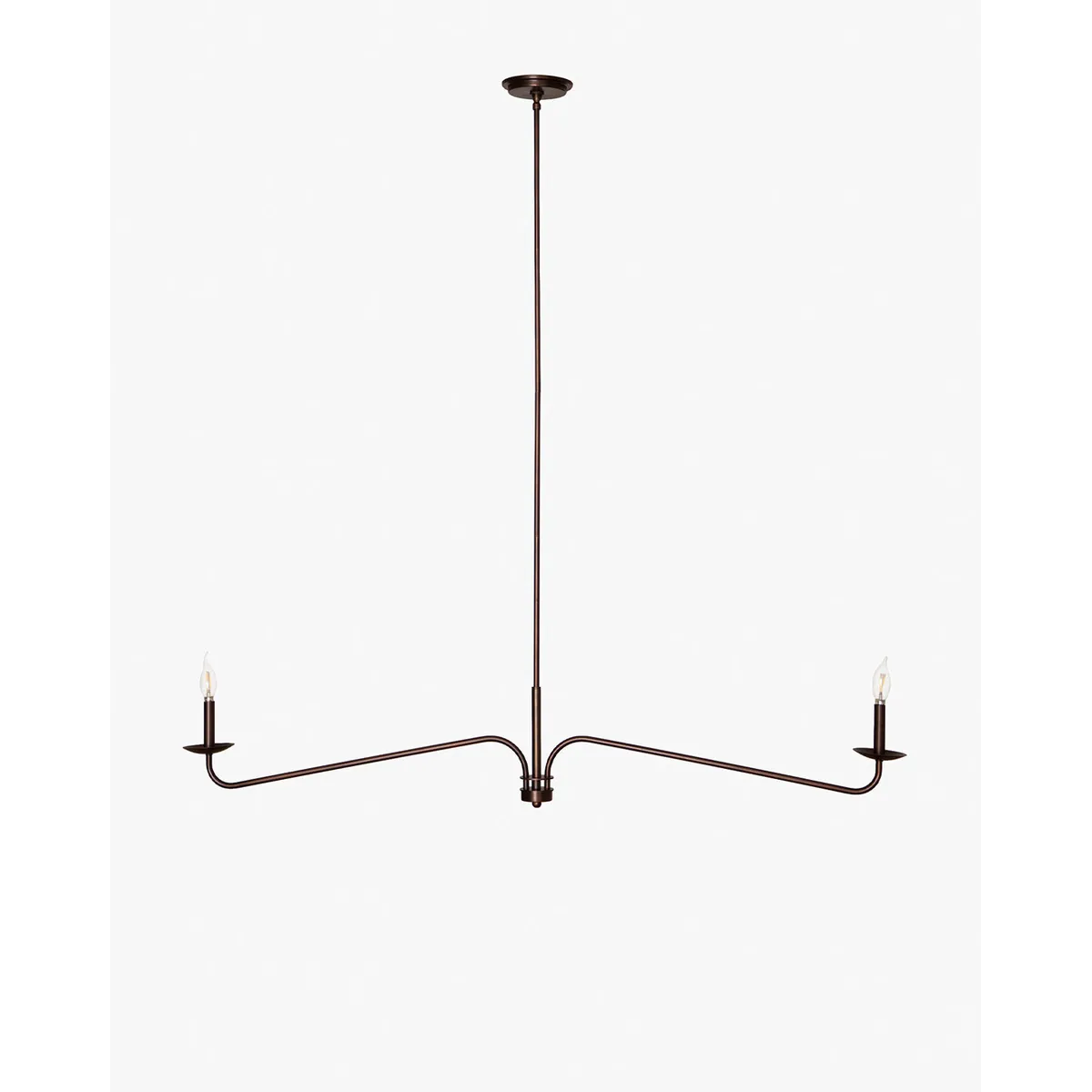
Dining chandelier size cheat sheet
Use this as a quick reference, then fine-tune with the room formula above.
| Table size | Suggested chandelier diameter | Best fixture shape |
|---|---|---|
| Small (≤ 40" / 4-seat) | 17–20" | Round / drum |
| Medium (48–60" / 6-seat) | 22–28" | Round or compact linear |
| Large (66–84" / 8-seat) | 28–36" | Linear, island, or two fixtures |
| Extra large (90"+ / 10-seat) | 36"+ or a multi-fixture run | Linear / island chandelier |
Consider ceiling height and overall scale
Beyond diameter, think about the fixture’s visual weight. A delicate, airy chandelier can disappear in a grand room with tall ceilings, while a dense, multi-tier crystal piece can overwhelm a cozy space. In rooms with 9-foot or higher ceilings, a taller or two-tier fixture fills the vertical space and feels intentional.
If your dining area is open to a living room or kitchen, size the chandelier so it holds its own against the surrounding furniture and other light fixtures—an under-scaled piece will read as a hesitation rather than a statement.
Choosing a style and finish
Once the proportions are right, style is where the room comes to life. A few directions that work well over a dining table:
- Modern and contemporary: Clean lines, sculptural forms, and mixed metals suit transitional and minimalist interiors. Browse modern and contemporary chandeliers for understated statement pieces.
- Crystal and glass: For a touch of glamour, a crystal chandelier reflects candlelight and dresses up the table for entertaining.
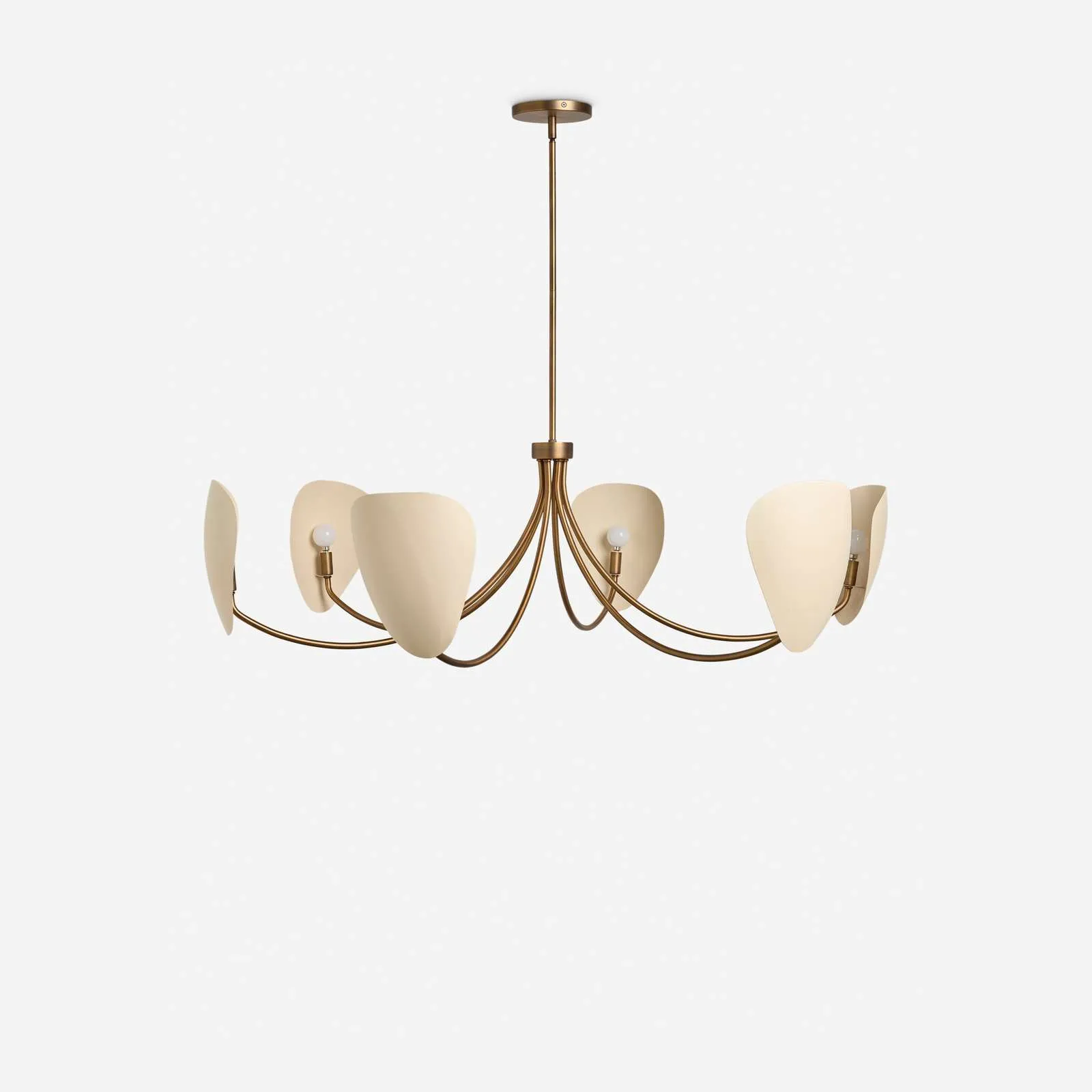
- Brass and warm metals: Aged or antique brass brings warmth and a light-luxury, modern-classic feel—an easy way to make a dining room look considered.
Across finishes, the goal is a fixture that feels like it belongs to the rest of the home. Josenart’s chandeliers lean toward that modern-classic blend, with blown glass, premium brass, and hand-finished detailing that hold up to close-range viewing over a table.
Light quality: bulbs, color temperature, and dimming
Size and style get you most of the way, but light quality is what makes the room feel right at dinner.
- Color temperature: Choose warm white bulbs in the 2700K–3000K range. Warm light flatters food, skin tones, and wood finishes—cooler light can feel clinical at the table.
- Dimming: Put the chandelier on a dimmer. Bright for homework and dinner prep, low for evenings and hosting. It’s the single best upgrade for a dining room.
- Layering: A chandelier handles ambient light, but pairing it with wall sconces or recessed lighting fills shadows and adds depth on busy evenings.
Common dining chandelier mistakes to avoid
- Going too small. The number-one error. When in doubt, size up.
- Hanging it too high. Above 36 inches over the table, the fixture loses its connection to the room.
- Ignoring table shape. A single round fixture over a long table leaves the ends dim.
- Skipping the dimmer. One brightness rarely suits both family dinners and dinner parties.
- Forgetting bulb tone. Cool-white bulbs can undo an otherwise perfect fixture.
Frequently asked questions
Can a chandelier be wider than the dining table?
It shouldn’t be. Keep the fixture narrower than the table—ideally one-half to two-thirds its width—so there’s clearance on every side and the proportions stay balanced.
How low can a chandelier hang over a dining table?
About 30 inches above the tabletop is the lowest comfortable point for a standard ceiling. That keeps light intimate without blocking conversation across the table.
Should I use one large chandelier or two smaller ones?
For tables longer than about 72 inches, two coordinated fixtures—or a single linear chandelier—usually light the table more evenly than one round piece.
What size chandelier works for a 6-seat table?
A 6-seat table (around 48–60 inches) pairs well with a chandelier in the 22–28 inch range, adjusted up or down using the room-size formula.
Does ceiling height change the chandelier size?
It changes the hanging height and the fixture’s vertical proportions more than its diameter. Taller ceilings allow a taller, more dramatic fixture hung a few inches higher.
Final thoughts
Sizing a dining room chandelier isn’t guesswork. Add the room’s length and width in feet for your starting diameter, confirm it against your table width, hang it 30–36 inches above the tabletop, and match the shape to your table. Get those four things right and almost any well-made fixture will look like it was meant for the space.
When you’re ready to shop, explore the full dining room chandelier collection at Josenart for modern-classic designs in glass, crystal, and premium brass—built to be seen up close over the table.