Bring Us Your Idea, Get Personalized Lighting.

Transform Your Space: Avoid These Seven Common Lighting Errors
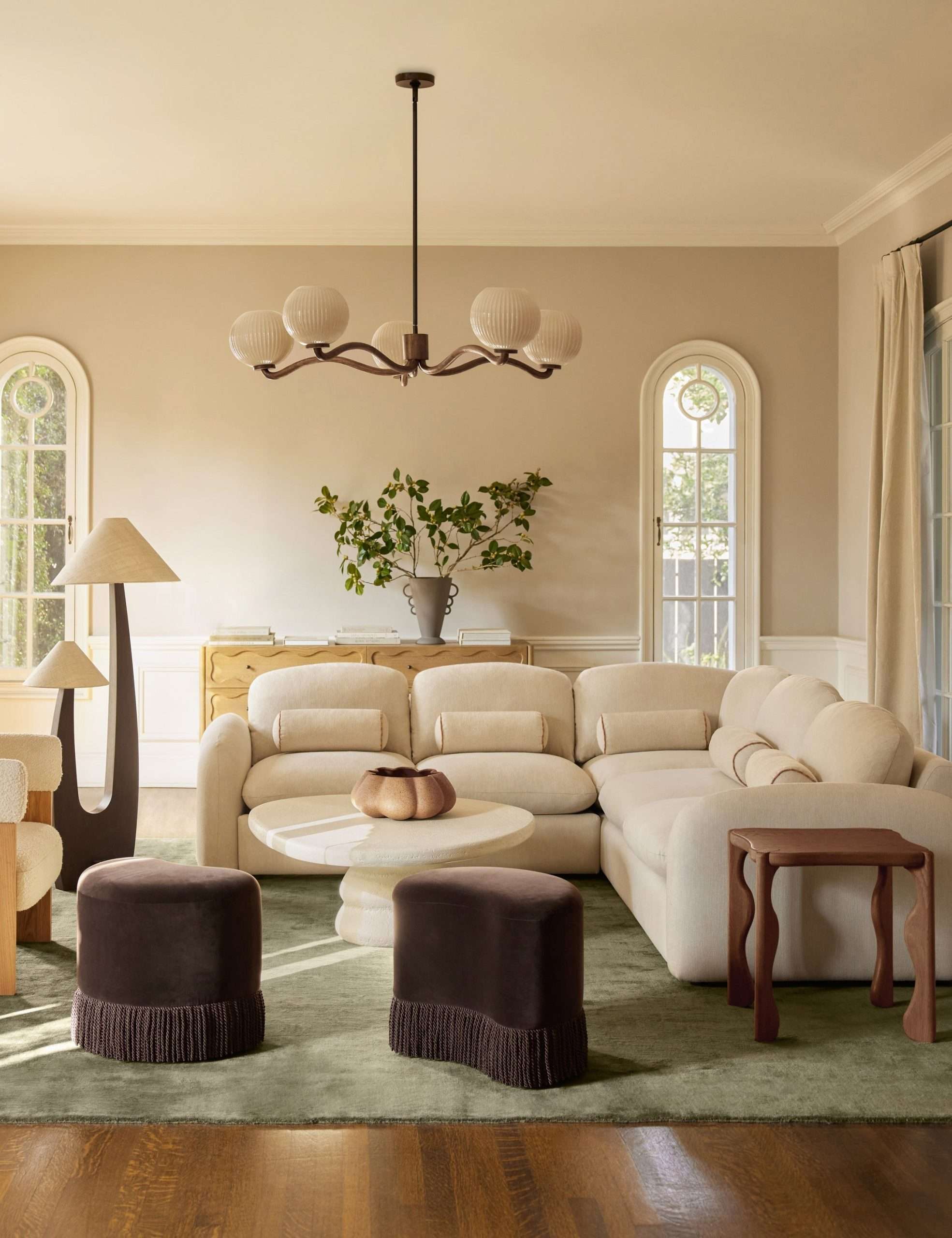
Lighting is quite possibly the most significant but most frequently overlooked element of interior design. The right lighting can transform a space into a cozy, inviting, and practical one, while the wrong lighting choices can leave your home cold and unengaging. These are the seven most popular lighting mistakes you might be making—and how to fix them!
Dependence on One Overhead Light
If you have just one ceiling light in your room that serves as the only light source, then you’re not experiencing the depth and ambiance a properly lit area can provide. Overhead lighting has a tendency to cast hard shadows and doesn’t allow light to be spread evenly throughout the room.
- Repair it: Layer your lighting with ambient (overall lighting), task (task lighting like desk lamps), and accent lighting (ornamental or mood-altering lights). Add floor lamps, sconces, or pendant lighting to create a balanced and welcoming space.
Choosing the Wrong Bulb Color Temperature
The color temperature of the light bulb has a great impact on the environment. Putting a very bright, cool white light in a bedroom will make it feel sterile and not peaceful while putting a warm yellow light in an office won’t be light enough.
- Fix it: Use warm white (2700K–3000K) in living rooms and bedrooms to create a cozy atmosphere, and cool white (4000K–5000K) in kitchens and offices for better concentration and visibility.
Ignoring Dimmers
One of the biggest lighting design missed chances is failing to install dimmers. Without dimmable lighting, you have only one light level, and that may not be ideal for each time of day or use.
- Fix it: Install dimmer switches in significant rooms like living rooms, dining rooms, and bedrooms. This allows you to control the mood and energy of the room easily.
The Incorrect Size Light Fixtures
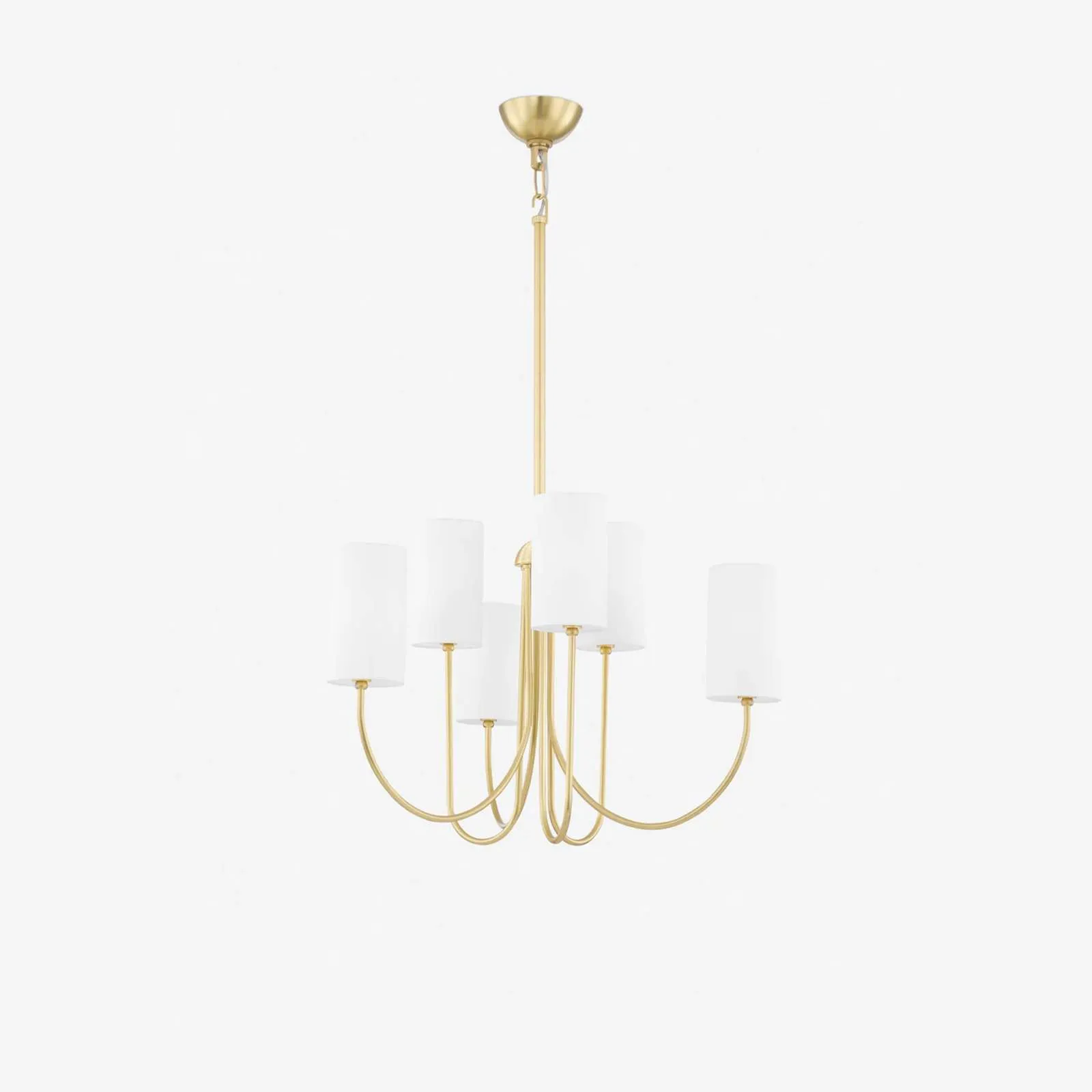
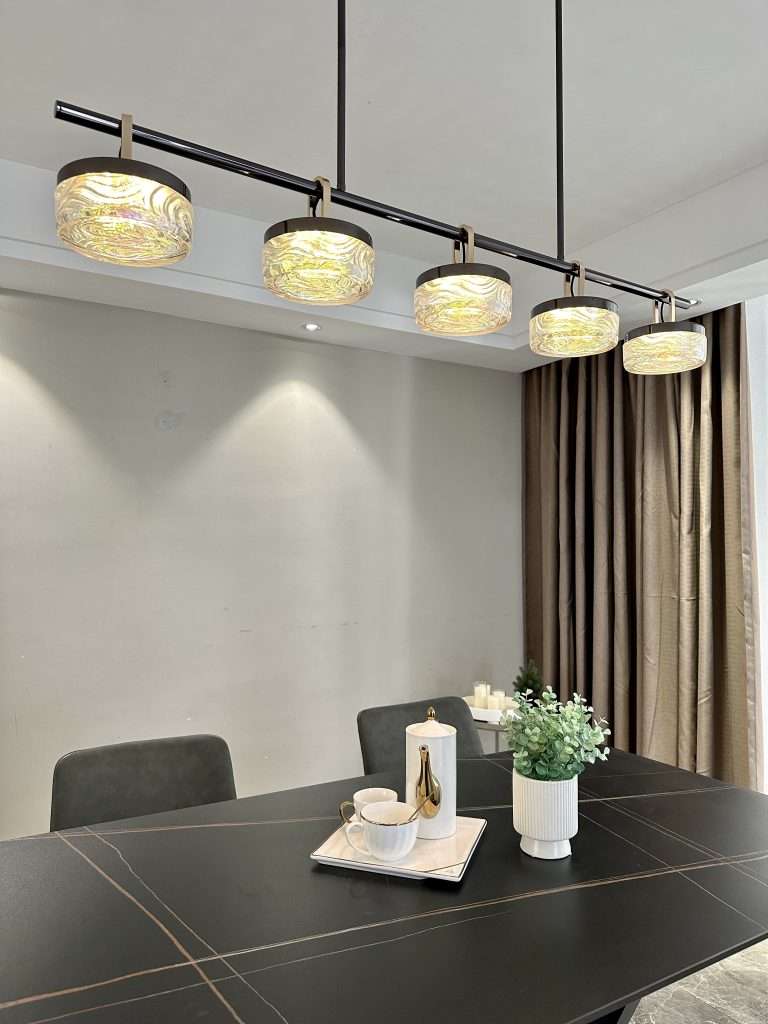
A tiny chandelier above a dining table or a huge pendant light over a narrow hallway can disturb the room’s proportion. Lighting needs to be proportionate to the space that it is in.
- Fix it: As a general rule, for dining tables, a chandelier should be about half to two-thirds the width of the table. In entryways, the fixture’s height should be 2.5–3 inches for every foot of ceiling height.
Neglecting Task Lighting
Ever tried chopping vegetables in a dimly lit kitchen or reading in bed with inadequate light? Lack of task lighting can make everyday activities frustrating and strain your eyes.
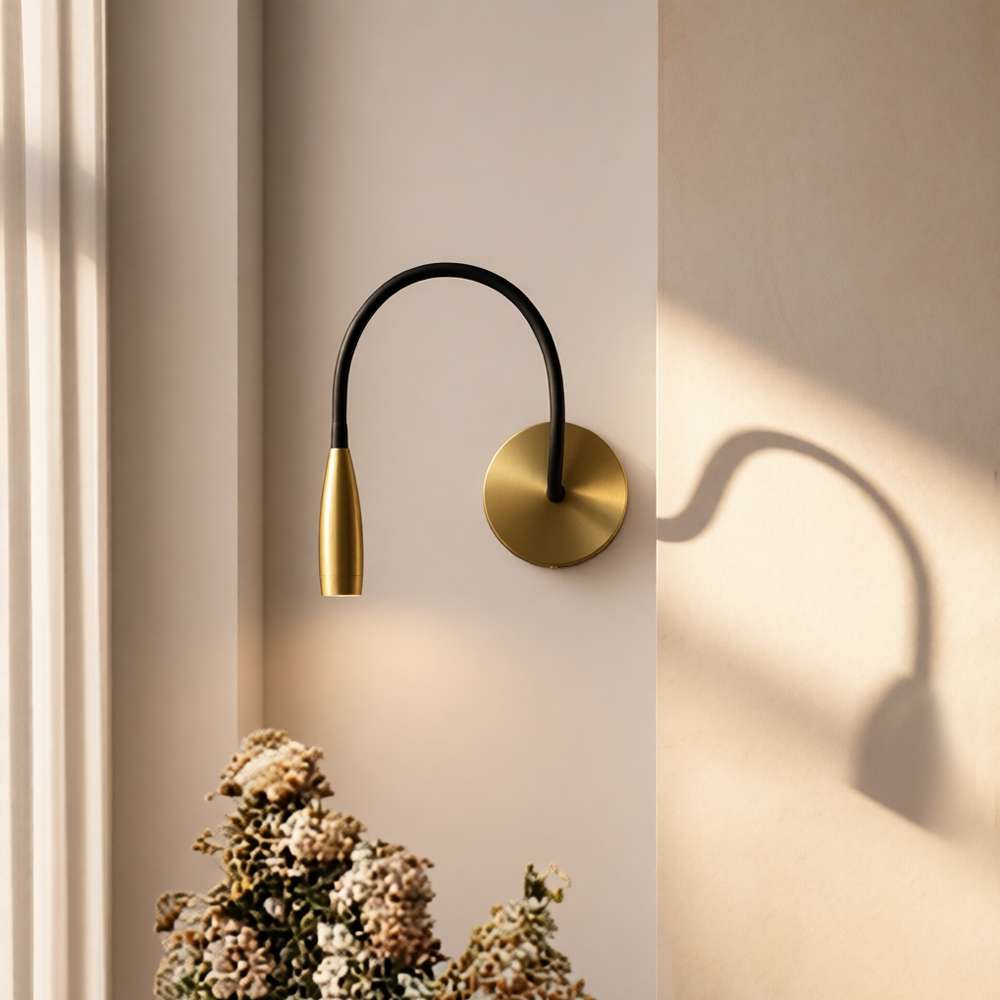
- Repair it: Add under-cabinet lighting in the kitchen, desk lighting in work areas, and reading wall lights beside beds in bedrooms. Adjustable or directional lighting is best for these rooms to provide focused lighting.
Forgetting About Accent Lighting
Accent lighting is what gives a home its character and highlights its positives. Without accent lighting, your home can become dull and lack interest.
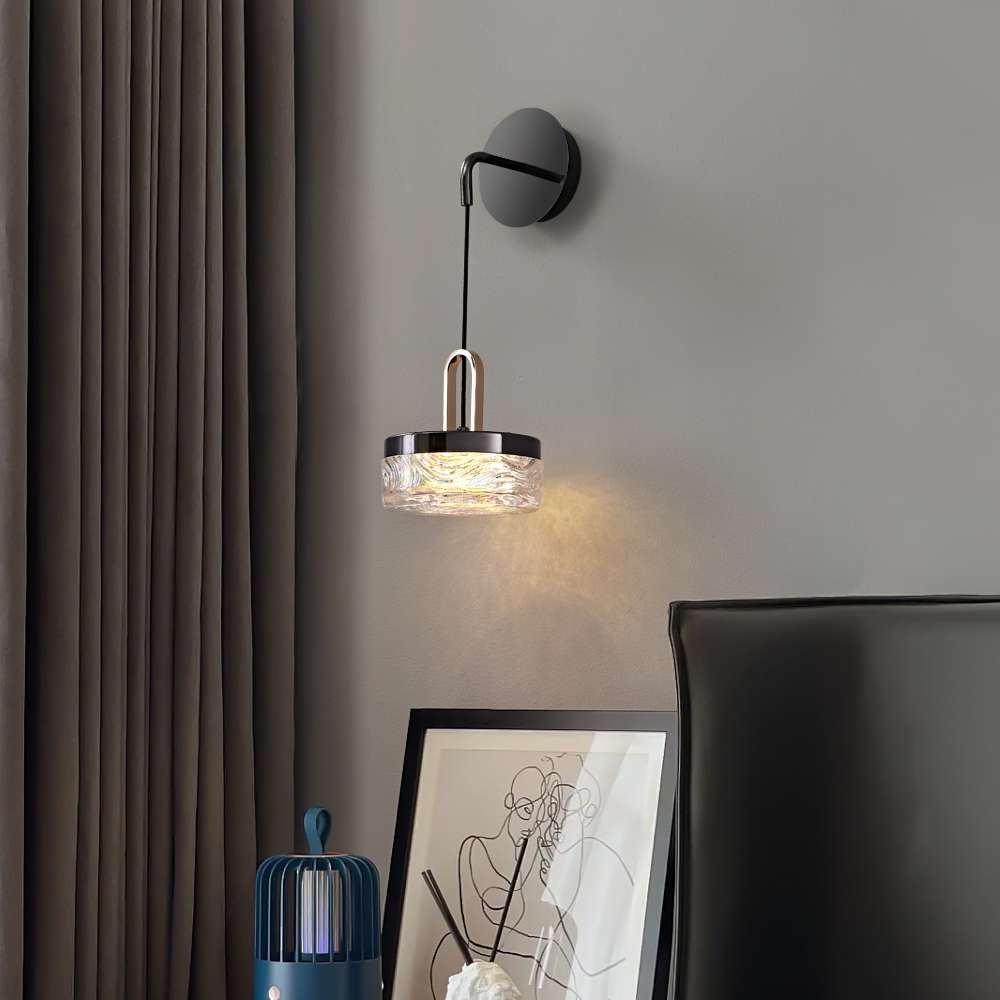
- Do it: Use wall sconces, LED strips, or track lighting to spotlight artwork, architectural details, bookshelves, or textured walls. This adds depth and designer look to your space.
Mixing Incompatible Light Temperatures
One of the most frequent home lighting errors is using different color temperatures in one room, which can cause the room to look unbalanced. For example, warm-colored ceiling lights and cool-colored LED lamps can clash and create an uneven effect.
- Do it: Apply the same color temperature in each room. Synchronize all bulbs in open spaces to give an uninterrupted look. If you want a mixture, ensure there is a clear distinction between functional and mood lighting zones.
Final Thoughts
Lighting is not just a practical requirement—it’s also an important aspect of your home’s beauty and usability. By avoiding these common mistakes and adding smart lighting choices, you can transform your room into one that is warm, balanced, and inviting.
Ready to improve your lighting? Find modern lighting fixtures that enhance style and functionality!